Choosing a dependable door warehouse supplier requires more than comparing product prices. Global buyers must examine manufacturing experience, loading capacity, material quality, testing records, and after-sales support. A supplier may offer an impressive catalog, yet struggle with packaging, delivery coordination, or replacement parts.
Marc Wulfraat, a recognized warehouse design and supply-chain consultant, once stated, “The warehouse must support the operation, not dictate it.” This principle also applies to industrial doors. A suitable door warehouse should support safe movement, efficient storage, and reliable installation across different markets. Look for clear specifications, such as panel thickness, opening speed, wind resistance, insulation value, and cycle rating.
Details matter.
A strong supplier should explain how doors perform in cold storage rooms, loading bays, workshops, and high-traffic distribution centers. It should also provide practical drawings, installation guidance, spare-part lists, and responsive technical communication. Certifications are useful, but buyers should verify their scope and validity. A logo alone proves little.
This “China Top 10 Door Warehouse Suppliers for Global Buyers” guide evaluates suppliers through a buyer-focused lens. It considers product range, factory capability, customization, export experience, quality controls, and service reliability. The ranking is not absolute. Project conditions differ. A supplier suitable for a small logistics facility may not fit a large automated warehouse.
Some information can change quickly. Factory capacity, certifications, and delivery performance require direct confirmation. That is an uncomfortable limitation, but an important one. Careful buyers should request samples, audit reports, technical datasheets, and recent customer references before placing an order.
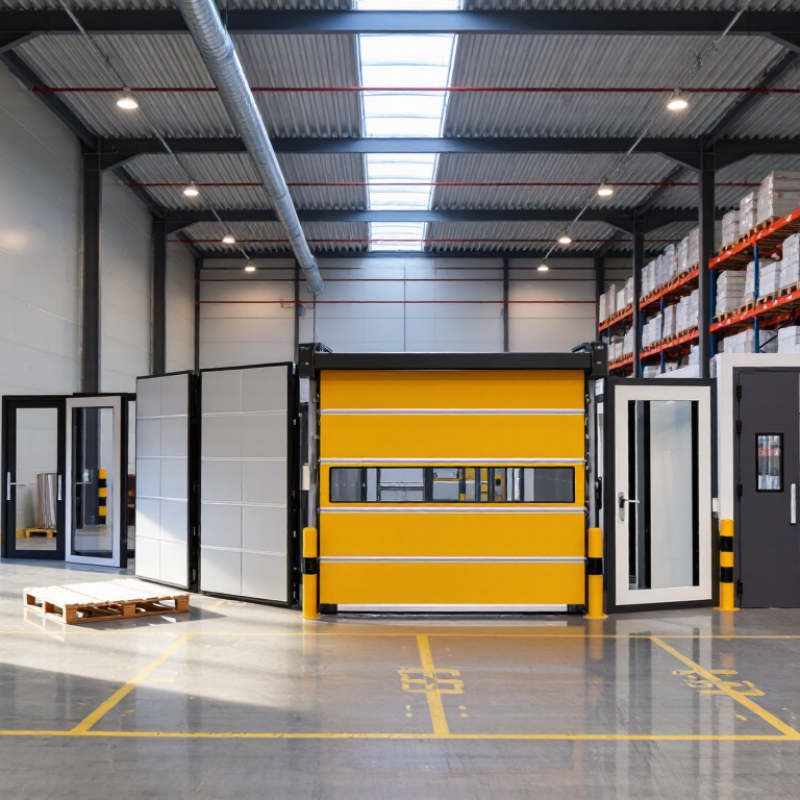
A top door warehouse supplier offers more than stored inventory and attractive prices. The real test is controlled handling, accurate records, and dependable communication. During warehouse visits, buyers should inspect pallet spacing, humidity control, loading equipment, and packaging condition. A clean floor helps, but it does not prove professional management.
Reliable suppliers track each door by model, size, finish, batch, and storage date. They should provide clear stock reports before purchase decisions. Photos, measurement sheets, and sample inspections reduce costly misunderstandings. Strong suppliers also explain lead times honestly, including delays caused by peak seasons or port congestion. Their export documents should match the physical goods exactly.
Quality control must continue after production. Warehouse staff should check corner protection, glass safety, surface scratches, hardware quantity, and carton strength. A practical supplier keeps inspection records and responds with evidence, not vague promises. However, no warehouse operation is perfect. A sample may look better than a bulk shipment. Labels can be misplaced. Communication can also slow down across time zones. Buyers should request corrective procedures, replacement terms, and independent pre-shipment inspections. Long-term reliability comes from visible systems, consistent data, and a willingness to admit mistakes.
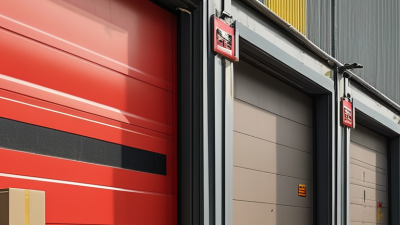
China’s leading door warehouse suppliers serve global buyers through organized stock, flexible production, and export-ready logistics. Their facilities commonly hold steel, wood, aluminum, and fire-rated door models for different markets. Buyers can inspect catalogues, sample corners, hinge positions, surface finishes, and packaging details before placing larger orders. Some suppliers combine warehouse inventory with made-to-order production. This helps contractors manage urgent replacements without abandoning project-specific dimensions. Not every stocked door fits every building code.
Reliable suppliers explain material grades, moisture resistance, hardware options, and tested performance in clear technical documents. They may arrange pre-shipment inspections, carton labeling, pallet protection, and loading photos for overseas customers. Experienced export teams also check measurements, port requirements, certificates, and destination documentation before dispatch. Small details matter. A missing threshold or incorrect swing direction can delay installation and create expensive site changes. Communication should include drawings, approved samples, and written tolerances, not casual promises.
Warehouse service becomes more useful when suppliers provide mixed-container planning and staged delivery schedules. This allows global buyers to combine popular sizes with slower-moving models. After-sales support may include replacement hardware, installation guidance, and responses to damage claims. However, a warehouse is not automatically proof of quality. Buyers should verify stock dates, inspection records, moisture protection, and packing strength independently. In practice, clear questions often reveal more than polished product photographs. A dependable supplier admits limits, records mistakes, and adjusts procedures when field feedback exposes a weakness.
Market-typical comparison of export-oriented door warehouse supplier profiles in China
| No. | Supplier Profile | Main Door Categories | Common Export Regions | Typical MOQ | Typical Lead Time | Common Compliance Documents | Customization Capability | Warehouse & Fulfillment Service |
|---|---|---|---|---|---|---|---|---|
| 1 | Profile A Large integrated manufacturer |
Interior wood doors, molded doors, veneer doors, fire-rated doors | North America, Europe, Australia, Middle East | 50–100 units | 35–60 days | ISO 9001; product test reports; fire-rating documentation where applicable | High: sizes, finishes, cores, hardware preparation and packaging | Container loading, palletization, export packing and batch consolidation |
| 2 | Profile B Engineered wood door specialist |
Engineered timber doors, plywood doors, veneer-faced doors | Europe, Southeast Asia, Oceania | 100–200 units | 30–50 days | Material declarations; moisture reports; quality inspection records | High: veneer selection, dimensions, glazing and edge details | Stock-supported production, carton packing and mixed-SKU loading |
| 3 | Profile C Metal security door supplier |
Steel security doors, apartment entrance doors, insulated metal doors | Middle East, Africa, Eastern Europe, Central Asia | 20–50 units | 30–55 days | Steel-grade records; coating reports; fire and acoustic test reports when required | Medium to high: locksets, panels, colors, insulation and vision panels | Protective corner guards, seaworthy packing and project-based dispatch |
| 4 | Profile D Fire-rated door producer |
Steel fire doors, timber fire doors, emergency exit doors | Europe, Gulf countries, Southeast Asia, Africa | 20–100 units | 40–70 days | Fire-resistance test reports; conformity documents; installation instructions | Medium: rated hardware, glazing, dimensions and surface finishes | Project scheduling, batch identification and document-controlled packing |
| 5 | Profile E PVC and WPC door supplier |
PVC doors, WPC doors, waterproof bathroom doors, utility doors | Southeast Asia, Africa, Latin America, Middle East | 100–300 units | 25–45 days | Material composition data; quality inspection reports; applicable chemical declarations | High: colors, profiles, surface textures and hardware options | High-density carton packaging, container optimization and mixed-color loading |
| 6 | Profile F Aluminum and glass door supplier |
Aluminum doors, glass doors, sliding doors, storefront systems | North America, Australia, Middle East, Southeast Asia | 20–50 units | 35–65 days | Aluminum alloy records; glass specifications; coating and hardware documentation | High: profiles, glass thickness, colors, dimensions and opening systems | Foam protection, wooden crates, component labeling and project consolidation |
| 7 | Profile G Hotel and project-door supplier |
Hotel room doors, bathroom doors, acoustic doors, decorative wall doors | Middle East, Africa, Europe, Southeast Asia | 50–150 units | 45–75 days | Material schedules; acoustic or fire test reports; project quality records | High: project drawings, decorative finishes, hardware schedules and mock-ups | Sample approval, room-by-room labeling and phased shipment management |
| 8 | Profile H Interior door wholesale warehouse |
Ready-stock MDF doors, laminate doors, molded doors and basic frames | North America, Africa, Latin America, Southeast Asia | 10–50 units | 7–25 days for stock items | Basic product specifications; packing lists; inspection records | Low to medium: stock finishes and standard sizes, limited modifications | Fast dispatch Stock availability, mixed-SKU orders and local consolidation |
| 9 | Profile I Premium solid-wood door supplier |
Solid timber doors, luxury entry doors, carved and engineered wood doors | Europe, North America, Australia, Gulf countries | 10–30 units | 50–90 days | Timber legality documents; moisture records; finishing and inspection reports | Very high: timber species, carving, stains, dimensions and hardware preparation | Individual wrapping, moisture protection, reinforced crates and white-glove project packing |
| 10 | Profile J Commercial and industrial door supplier |
High-speed doors, roll-up doors, warehouse doors, loading-bay doors | Europe, Middle East, Africa, Southeast Asia | 5–20 sets | 35–70 days | Technical datasheets; load and cycle information; electrical and safety documentation | High: dimensions, controls, sensors, curtains, rails and operating systems | Crated components, installation manuals, spare-parts packing and technical support |
China’s leading door warehouse suppliers serve global buyers through broad, practical product categories. Grand View Research estimates the global doors market could reach about USD 140 billion by 2030, with construction and renovation supporting demand. Stocked options commonly include wooden interior doors, steel security doors, aluminum-glass systems, fire-rated doors, sliding doors, and industrial entries. Each category fits a different job site. A hotel may need acoustic cores, while a warehouse needs impact resistance and fast replacement.
Customization is now a purchasing requirement, not a decorative extra. Suppliers can adjust door height, width, core material, surface finish, hinge position, glazing, locks, weather seals, and carton protection. Fire-rated models may require tested assemblies, not only thicker steel. ASTM, EN, and local building requirements should be checked before production. The International Energy Agency reports that buildings account for around 30% of global energy demand, making insulated doors increasingly relevant for exterior projects.
Warehouse capability matters as much as factory capability. Buyers should confirm actual inventory, batch traceability, moisture protection, and replacement-part availability. Some suppliers offer sample approval before bulk production. That reduces mistakes. Yet customization can extend lead times and raise minimum order quantities. This point is often underestimated. A supplier may promise any size, but not every size is economical or properly tested. Request drawings, test reports, packing photos, and a clear tolerance sheet before payment. Content should be reviewed by an architect or local code consultant when safety performance is involved.
China’s top ten door warehouse suppliers can differ sharply in quality, pricing, stock, and logistics. A low quotation may exclude hardware, export packing, or inspection fees. Request a physical sample before approving a large order. Check panel thickness, surface consistency, hinge alignment, and moisture resistance. Small defects often appear after installation.
Pricing should be compared on the same basis, such as EXW, FOB, or delivered cost. Ask for minimum order quantities and replacement policies. Some suppliers offer attractive prices but require full-container purchases. Others hold standard sizes in warehouses, reducing production time. Confirm live stock with dated photos, quantity lists, and batch information. Stock claims can become outdated quickly.
Logistics deserves equal attention. Ask about pallet strength, corner protection, loading plans, and estimated port schedules. A reliable supplier should provide packing dimensions and shipping documents without repeated reminders. I have seen careful products damaged by weak carton edges. That mistake is avoidable, but not always avoided. Compare lead times for samples, production, and spare parts separately. Also verify how quality inspections are recorded. Factory audits and independent checks add cost, yet they improve accountability. No supplier performs perfectly every time. A written agreement should define tolerances, delivery dates, and remedies for confirmed defects.
Choosing among China’s top door warehouse suppliers requires more than comparing online catalogs. A polished showroom can mislead. Request a factory video, business license, production address, and recent project references. Verify whether the supplier manufactures doors or only resells them.
Ask for physical samples before placing a large order. Check panel thickness, surface finish, hinge alignment, lock preparation, and packaging strength. Measure each sample with a caliper, especially when tolerances affect installation. Confirm material grades, fire ratings, moisture resistance, and testing documents for your destination market. Documents should be traceable, current, and issued by recognized testing bodies.
Reliable suppliers explain lead times clearly and provide a written quality-control plan. Ask who checks dimensions, hardware, color, and carton labels. A pre-shipment inspection can reveal damaged corners or missing accessories. Clarify payment stages, warranty limits, replacement procedures, and shipping terms in the contract. Communication matters too. Slow replies during sampling often become costly delays later.
No supplier is perfect. That matters. I would score each candidate against quality, compliance, communication, capacity, and total landed cost. The lowest quotation may hide weaker packaging or inconsistent materials. A smaller trial order can test production discipline without exposing the full budget. Keep records of approvals, changes, and inspection results. Vague promises deserve careful questions.