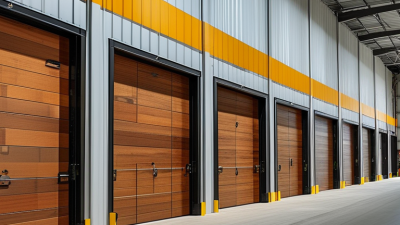
Why Choose a Door Warehouse for Global Sourcing?

Global sourcing becomes more practical when buyers work with a specialized door warehouse. Instead of comparing scattered listings, procurement teams can inspect complete door systems in one place. They can review slabs, frames, hinges, locks, finishes, and packaging before placing a large order. This physical access reduces guesswork. It also exposes small problems early, such as uneven paint, weak corner protection, or mismatched hardware.

Door industry consultant James Carter explains, “A reliable warehouse turns quality from a promise into something buyers can examine.” His point matters because international orders often travel thousands of miles. A damaged carton in Rotterdam or an incorrect hinge set in Dubai can create expensive delays. A capable door warehouse should provide organized samples, stock visibility, product specifications, and documented inspection procedures. It should also explain lead times honestly, including seasonal congestion and custom-production risks.

The advantages extend beyond product selection. Warehouse teams can consolidate different door models, arrange export-ready packing, and coordinate batch inspections. These services may reduce handling costs and simplify communication across time zones. Still, a warehouse is not automatically trustworthy. Some catalogs look impressive but hide inconsistent materials or unclear warranty terms. Buyers should request current samples, production photos, test reports, and references from comparable projects. They should also confirm how defects are recorded and resolved.

The process is not flawless. Mistakes still happen. Yet a responsive door warehouse gives buyers evidence, control, and a clearer path to correction. For global sourcing, that practical visibility can be more valuable than the lowest quoted price.
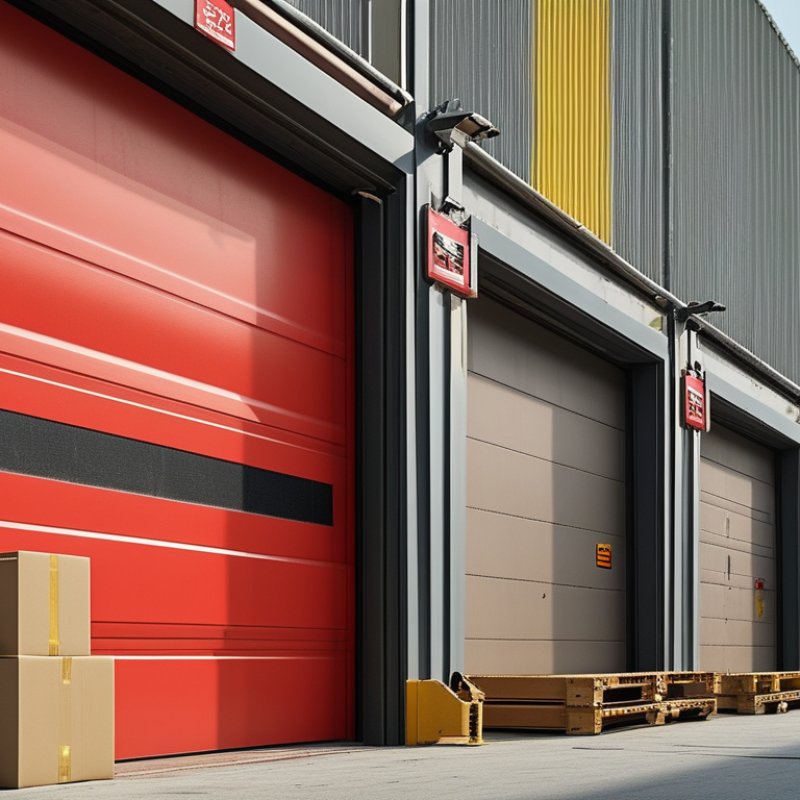
Why Choose a Door Warehouse for Global Sourcing?

What Is a Door Warehouse in Global Sourcing?

A door warehouse is a specialized sourcing hub for doors, frames, hardware, and related components. It receives products from approved factories, checks specifications, and stores finished units before export. This model gives buyers one operational contact instead of managing several suppliers across different regions.

The warehouse can compare door sizes, finishes, fire ratings, and packaging requirements before shipment. Staff may inspect hinges, locks, glass panels, and surface defects. These checks matter because doors are large, fragile, and expensive to replace. The 2023 UNCTAD Review of Maritime Transport reports that over 80% of global merchandise trade by volume moves by sea. A warehouse can therefore consolidate mixed orders into better-planned containers.

Its value extends beyond storage. Experienced teams can photograph inspections, verify carton labels, and match packing lists with purchase orders. The World Bank’s Logistics Performance Index 2023 emphasizes customs, tracking, infrastructure, and delivery timeliness as core supply-chain capabilities. A door warehouse supports these areas through inventory records and shipment coordination.

Still, the model is not perfect. Poor humidity control can damage timber. Weak labeling can create installation delays. Some warehouses also rely too heavily on factory claims. Buyers should request inspection records, material certificates, and clear responsibility for defects. Local building codes must be checked independently. That step is often missed.


How Door Warehouses Support International Purchasing

Why Choose a Door Warehouse for Global Sourcing?

How Door Warehouses Support International Purchasing

A door warehouse can simplify international purchasing by combining products, inspections, and shipping preparation in one location. Buyers can review door materials, finishes, sizes, and hardware before approving larger orders. Clear product records reduce confusion between drawings, samples, and final specifications. That matters when suppliers and buyers work across different time zones.

Practical support makes a bigger difference. Warehouse staff can measure panels, check surface damage, confirm hinge positions, and photograph each packed unit. They may also consolidate doors from different production batches, helping reduce repeated shipping charges. Strong warehouses keep batch numbers, inspection notes, packing lists, and export documents together. This creates a traceable purchasing process. It also gives buyers useful evidence when a detail needs clarification.

Details decide outcomes. A reliable team should confirm opening direction, wall thickness, moisture conditions, packaging strength, and delivery terms before shipment. For special projects, buyers may request a pre-shipment inspection or a sample installation. That step can reveal problems that product images hide. Still, a warehouse is not magic. Measurements can be misunderstood, and packing can fail if instructions are vague. One useful lesson is to approve marked drawings, not verbal assumptions. Buyers should also leave time for corrections, because rushed changes often create new errors. This is less convenient, but usually more dependable for international purchasing.

Key Benefits of Centralized Door Sourcing

Why Choose a Door Warehouse for Global Sourcing?

Key Benefits of Centralized Door Sourcing

A centralized door warehouse gives buyers one controlled sourcing point. Instead of coordinating several factories, teams can compare products, specifications, and lead times in one place. I have seen this reduce repeated emails and prevent small measurement errors from becoming costly delays. A trained warehouse team can check dimensions, surface quality, hardware placement, and packaging before shipment. These checks create useful records for purchasing and quality decisions.

Centralized storage also improves inventory visibility. Buyers can review available door types, finishes, sizes, and accessory options before confirming an order. Consolidating products may lower handling costs and simplify freight planning. It can also support mixed shipments for renovation projects with changing requirements. That flexibility matters when a project needs different door sizes in one delivery. Not every warehouse manages this well.

Reliable sourcing requires more than a large product range. Clear inspection procedures, documented material information, and consistent communication are essential. Experienced teams should verify moisture protection, carton strength, labeling, and loading conditions. Buyers should also request samples and review inspection reports before placing larger orders. A warehouse can organize the process, but it cannot replace careful evaluation. That part still requires judgment.

There is room for improvement. Some centralized operations may hold outdated stock or provide incomplete specifications. Regular inventory reviews and transparent corrective actions help maintain trust. When buyers and warehouse teams share accurate forecasts, sourcing becomes more predictable, measurable, and easier to adjust.

Why Choose a Door Warehouse for Global Sourcing? - Key Benefits of Centralized Door Sourcing

Evaluation Dimension Centralized Door Warehouse Fragmented Multi-Supplier Sourcing Practical Sourcing Benefit
Supplier coordination One coordinated purchasing and order-management process Separate quotations, purchase orders, inspections, and follow-ups Reduces administrative workload and simplifies communication across product categories.
Product range Interior, exterior, fire-rated, acoustic, glazed, and hardware-ready door options can be consolidated in one program. Product specifications and finishes may differ between suppliers. Makes it easier to build a consistent specification schedule for residential, hospitality, and commercial projects.
Quality control Centralized inspections can check dimensions, surface finish, moisture condition, packaging, labels, and hardware preparation before dispatch. Inspection methods and acceptance criteria can vary by factory. Improves consistency and allows nonconforming items to be identified before international shipment.
Consolidated shipment Multiple door types, sizes, and accessories can be combined into fewer export shipments. Separate suppliers may ship partial orders on different schedules. Can reduce repeated freight bookings, duplicated export paperwork, and fragmented delivery coordination.
Inventory availability Stocked standard sizes and commonly requested configurations may be released without waiting for a full production cycle. Orders are more likely to depend on each supplier’s production queue and minimum order policy. Supports phased construction schedules and replenishment orders for recurring requirements.
Lead-time planning A single dispatch plan can align available stock, production items, inspection, and export loading. The overall project schedule is tied to the slowest or least predictable supplier. Provides clearer milestone planning and reduces the risk of receiving incomplete door packages.
Packaging and labeling Packing lists, carton marks, room references, and project labels can follow one agreed format. Packaging formats and labeling systems may not match from one supplier to another. Makes receiving, counting, storage, and installation-site distribution more efficient.
Documentation Commercial invoices, packing lists, product specifications, inspection records, and shipping documents can be coordinated centrally. Documents often arrive separately and may use inconsistent product descriptions or units. Improves customs preparation, internal record keeping, and project traceability.
Customization control A unified specification can cover leaf size, opening direction, core, veneer or finish, glazing, and hardware preparation. Custom details must be repeated and verified with each individual supplier. Reduces specification discrepancies and supports repeatable project standards.
Cost visibility Product, inspection, warehousing, packing, and freight charges can be reviewed as one landed-cost structure. Additional costs may be distributed across separate supplier quotations and shipments. Helps buyers compare the complete delivered cost instead of comparing unit prices only.
Returns and claims A central contact point can coordinate photos, inspection records, replacement items, and corrective actions. The buyer must determine which supplier is responsible and manage multiple claim procedures. Shortens the communication chain when damage, shortages, or specification issues occur.
Best-fit purchasing scenario Multi-site projects, recurring imports, mixed door schedules, and buyers seeking one coordinated supply channel. Small one-off orders or projects requiring a highly specialized item available from only one qualified source. Centralized sourcing is most valuable when coordination, consistency, and delivery control matter as much as the purchase price.

Note: Actual lead times, minimum order quantities, compliance documents, freight costs, and stock availability depend on product specifications, destination requirements, order volume, and shipping conditions.

Factors to Evaluate When Choosing a Door Warehouse

A door warehouse should be judged by more than its catalog or quoted price. Location matters because maritime shipping carries over 80% of global merchandise trade by volume, according to UNCTAD’s Review of Maritime Transport 2023. A warehouse near reliable ports, highways, and inspection services can reduce handling risks. Check inventory accuracy, moisture protection, pallet stability, and loading procedures. Ask for batch records, product photographs, and realistic lead times. A polished website proves little.

The World Bank’s 2023 Logistics Performance Index covers 139 countries and uses 4,090 survey responses. It measures customs, infrastructure, shipment reliability, logistics competence, tracking, and timeliness. These indicators offer a useful framework for evaluating a door warehouse. Request evidence of barcode scanning, cycle counts, damage reporting, and export documentation. Also examine how quickly staff answer difficult questions. In practice, a warehouse may appear efficient while carrying outdated stock. That assumption can fail. I would inspect a sample shipment before approving regular orders.

Tips: Compare landed cost, not unit price. Test three door sizes. Check packaging after a simulated long-distance journey. Confirm replacement procedures in writing. Ask whether inventory data updates in real time. Small gaps become expensive.

How to Manage Quality, Costs, and Delivery Risks

Why Choose a Door Warehouse for Global Sourcing?

How to Manage Quality, Costs, and Delivery Risks

A door warehouse gives sourcing teams a physical control point between factories and buyers. Samples, hardware, finishes, and packaging can be checked before shipment. This matters when production happens across different time zones and communication styles. A trained warehouse team can compare each batch with approved drawings and reference samples. They can record panel thickness, surface finish, hinge position, and carton condition. Small differences often become expensive problems later.

Quality checks should follow a written inspection plan, not personal judgment alone. Use incoming, in-process, and pre-shipment inspections where the order requires them. Keep dated photos, measurement records, and signed approval documents. Cost control also depends on accurate consolidation. Combining compatible orders can reduce repeated handling and freight expenses. However, poor stacking or rushed loading may cause edge damage. Savings can disappear quickly.

Delivery risk needs more than a promised shipping date. The warehouse should track production progress, booking status, stock levels, and export documents. Buffer time is useful when ports, weather, or factory delays affect the schedule. It is not free. Yet removing all buffer time is rarely realistic. A stronger process includes backup packaging materials and a second loading plan. The plan will not be perfect. Regular reviews expose weak assumptions before they affect the customer.

Why Choose a Door Warehouse for Global Sourcing?

How to manage quality, costs, and delivery risks using logistics performance data.

The chart compares selected sourcing markets across the six dimensions of the World Bank Logistics Performance Index 2023. Higher scores indicate stronger logistics capabilities, which can help reduce delivery uncertainty, improve shipment visibility, and support more predictable sourcing costs. Source: World Bank Logistics Performance Index 2023.