2026 Best Fancy Doors Edmonton Buying Guide
Choosing an entrance door in Edmonton involves more than matching a dramatic design to your home’s exterior. Cold winters, dry indoor heat, strong winds, and sudden temperature changes can affect materials, seals, hinges, and finishes. This 2026 Best Fancy Doors Edmonton Buying Guide explores how appearance, insulation, security, and long-term maintenance should work together.
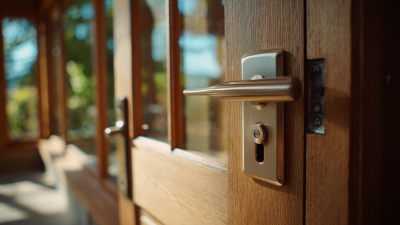
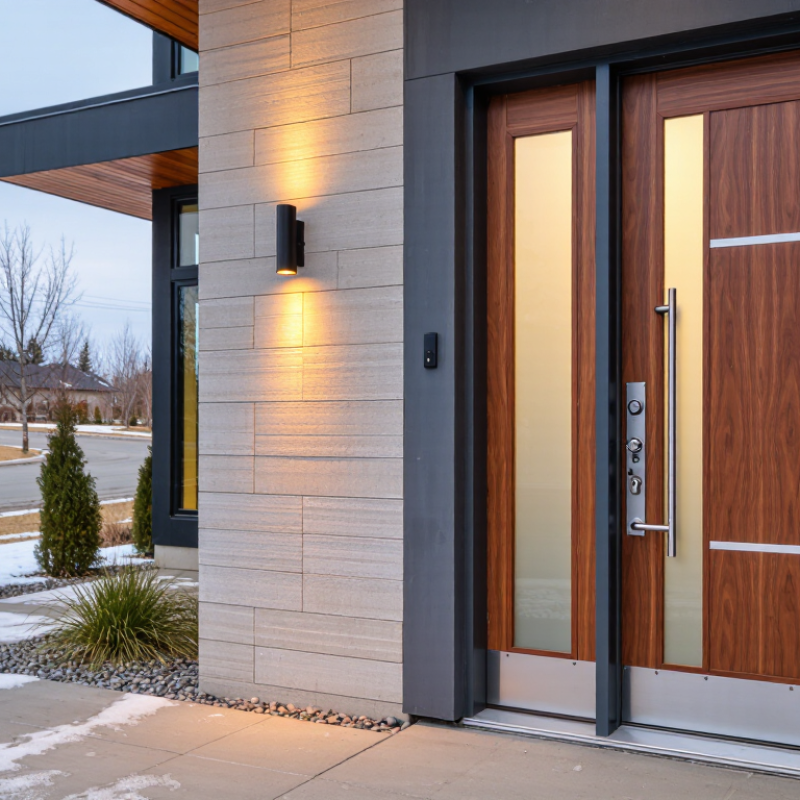
The phrase fancy doors edmonton often suggests oversized glass, carved wood, metal accents, or custom entry systems. Yet beauty alone can become expensive. A tall walnut door may look impressive under warm porch lighting, but it still needs stable construction, weather-resistant finishing, and accurate installation. Look closely at the threshold, multipoint lock, compression seals, and glass rating. Small details matter.
They are easy to overlook.
Based on practical buying considerations, this guide compares door styles, frame materials, glazing options, energy performance, and local installation questions. Edmonton homeowners should ask about warranty coverage, service availability, moisture protection, and how the door performs during January temperatures. Product photographs can be helpful, but they rarely show real maintenance demands or installation limitations.
A polished showroom sample is not the whole story. Some designs require frequent refinishing, while some metal surfaces reveal fingerprints quickly. I have also learned that “custom” does not always mean better; measurements, craftsmanship, and installer experience often matter more. The right choice should feel distinctive without creating avoidable problems. This guide aims to support a careful, informed decision, with clear expectations and room for honest reconsideration.
Types of Fancy Doors Available in Edmonton in 2026
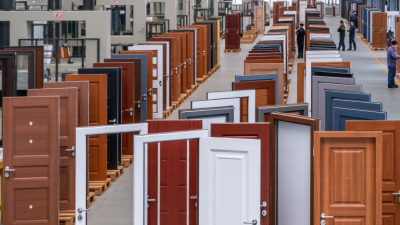
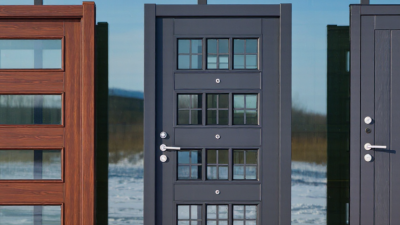
In Edmonton, fancy doors in 2026 combine decorative design with protection from harsh weather. Popular choices include carved solid-wood doors, steel doors with glass panels, fiberglass doors, and elegant double-entry systems. Arched doors add a traditional character, while pivot doors create a bold contemporary entrance. Each style changes the home’s appearance differently.
Edmonton’s cold winters make performance essential. Choose insulated cores, tight weatherstripping, and durable thresholds that resist freezing temperatures. Low-emissivity glass can brighten an entryway while reducing heat loss. Fiberglass often needs less maintenance than natural wood, although high-quality wood offers unmatched grain and warmth. Decorative ironwork looks impressive, but it may require regular care against moisture and surface corrosion.
A detailed site inspection matters. Door measurements, wall alignment, swing direction, and porch exposure can affect the final result. A south-facing entrance may need stronger UV protection, while a windy corner requires dependable hinges and a secure locking system.
A common mistake is choosing appearance before checking insulation values. I have seen beautiful doors feel disappointing when drafts appear around the frame.
That deserves honest reconsideration. Custom finishing can also vary slightly, especially with wood, and that imperfection may become part of its character.
How to Measure Your Entryway Before Buying
2026 Best Fancy Doors Edmonton Buying Guide: How to Measure Your Entryway Before Buying
A beautiful entry door can still fail if the opening is measured incorrectly. Measure the width at the top, middle, and bottom of the existing frame. Record the smallest number. Do the same for height on both sides and through the centre. Use a steel tape, and write measurements in both inches and millimetres. Small differences matter.
Measure the rough opening, not only the visible door slab. Remove interior trim if possible, then check the space between the framing studs. Note the jamb depth, threshold height, and wall thickness. In Edmonton, account for weatherstripping and seasonal movement. Snow, ice, and changing temperatures can affect the threshold area. Check whether the door swings inward without striking furniture, walls, or a nearby storm door.
I once measured only the old slab and missed a narrow section near the hinge side. That mistake made the replacement plan too optimistic. Measure diagonally from each top corner to the opposite bottom corner. Unequal diagonal measurements may reveal a frame that is not square. Do not hide that problem with a decorative design. Photograph the opening, label every measurement, and keep a small clearance for installation adjustments. A local installer can verify the rough opening before you order a heavier custom door. Measurements are rarely perfect on the first attempt. Recheck them the next day.
Edmonton Climate, Security, and Energy Efficiency Considerations
2026 Best Fancy Doors Edmonton Buying Guide
Edmonton Climate, Security, and Energy Efficiency Considerations
Edmonton’s sharp winters can expose weaknesses in an attractive entry door. Choose an insulated core, durable weatherstripping, and a thermally efficient frame. Triple-pane glass can reduce drafts near decorative windows. Low-emissivity coatings may also limit winter heat loss. Look for tested energy ratings, not only impressive showroom claims. Installation matters as much as the door itself.
Freeze-thaw cycles can shift frames and create small gaps around the sill. A qualified local installer should check the opening, drainage, hinges, and threshold carefully. Ask how the door will perform during temperatures below -20°C. That question reveals practical experience. A beautiful door still fails when cold air moves around its edges.
Security needs careful balance. Use a solid construction, reinforced strike areas, and a dependable multi-point locking system. Decorative glass should be laminated or otherwise impact-resistant, especially near the lock. Frosted or textured glass can improve privacy beside a busy sidewalk. Oversized doors may look impressive, but their weight can strain hinges over time. I have seen homeowners prioritize appearance and regret ignoring maintenance access. Fancy hardware also needs attention, because ice, grit, and moisture can affect moving parts. Ask for written warranty details and cleaning instructions before purchasing.
How to Choose an Installer and Evaluate Total Costs
Choosing a fancy door in Edmonton starts with the installer, not the showroom sample. Ask for proof of liability insurance, recent local references, and experience with insulated entry systems. In a written quote, require measurements, removal, disposal, flashing, shimming, hardware, finishing, and warranty service. A low installation price may exclude interior trim or structural repairs.
Edmonton’s winter makes installation quality a serious cost issue. Natural Resources Canada reports that windows and doors can account for up to 35% of a home’s heat loss. Request the door’s U-factor, air-leakage rating, threshold design, and thermal-break details. Do not rely on the label “energy efficient” alone. The 2024 Cost vs. Value Report also places entry-door replacement among projects with strong resale returns, but its figures are national benchmarks, not Edmonton guarantees. Local labor, opening size, and material choices can change the result.
Build a total-cost worksheet before signing. Include the door slab, frame, sidelites, lockset, delivery, installation, disposal, painting, and possible masonry work. Get at least three comparable quotes. They should describe the same specifications. Ask who handles warranty adjustments after the first winter. That detail matters. I have seen homeowners compare a $3,000 door with a $5,000 quote, then discover the cheaper option excluded flashing and trim. My own caution is simple: even experienced installers can underestimate an older opening. Keep a contingency of 10% to 15% for concealed damage, and inspect the final seal with a draft check on a cold day.
2026 Best Fancy Doors Edmonton Buying Guide
Compare typical Edmonton installed-cost ranges in Canadian dollars before choosing an installer. Actual pricing depends on door size, glazing, frame condition, finish, hardware, removal, and installation complexity.
How to evaluate total costs: Request an itemized quote covering the door system, professional labor, removal and disposal, framing or threshold repairs, hardware, finishing, taxes, and warranty terms. A lower initial price may not represent the lowest total cost if important installation work is excluded.