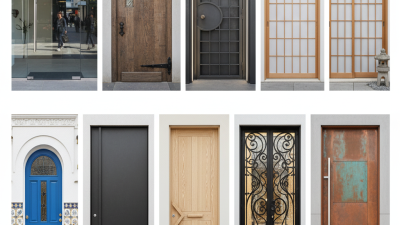
How to Find a Top Door Supplier in China?
Finding a top door supplier in China requires more than comparing online prices. It involves checking materials, manufacturing experience, communication, and after-sales support. A polished website can hide weak production control. Real evidence matters more.
Start by defining your project clearly. Record door types, dimensions, surface finishes, hardware, fire ratings, and expected quantities. Then ask each door supplier for technical drawings, product specifications, and recent project references. Request physical samples when possible. A sample reveals edge finishing, coating consistency, hinge alignment, and packaging quality. Small details often expose larger production problems.
Experience matters. A reliable factory should explain its production process without vague promises. Ask about timber moisture control, steel thickness, welding quality, inspection stages, and replacement procedures. Factory videos help, but an independent audit provides stronger evidence. Check whether the supplier can maintain consistent quality across large orders. One excellent prototype is not enough.
Communication also deserves careful attention. Delayed answers may create costly misunderstandings later. Confirm payment terms, lead times, inspection responsibilities, and shipping documents in writing. Trusted suppliers usually welcome reasonable questions. They do not pressure buyers to skip verification.
No supplier is perfect. Even experienced exporters may misunderstand a drawing or miss a packaging detail. That is why trial orders and written approvals are valuable. Compare several factories, speak with previous customers, and evaluate the entire purchasing process. The best choice is rarely the cheapest quote. It is the supplier that combines stable quality, transparent communication, practical expertise, and dependable delivery. Expect some uncertainty. Manage it carefully.
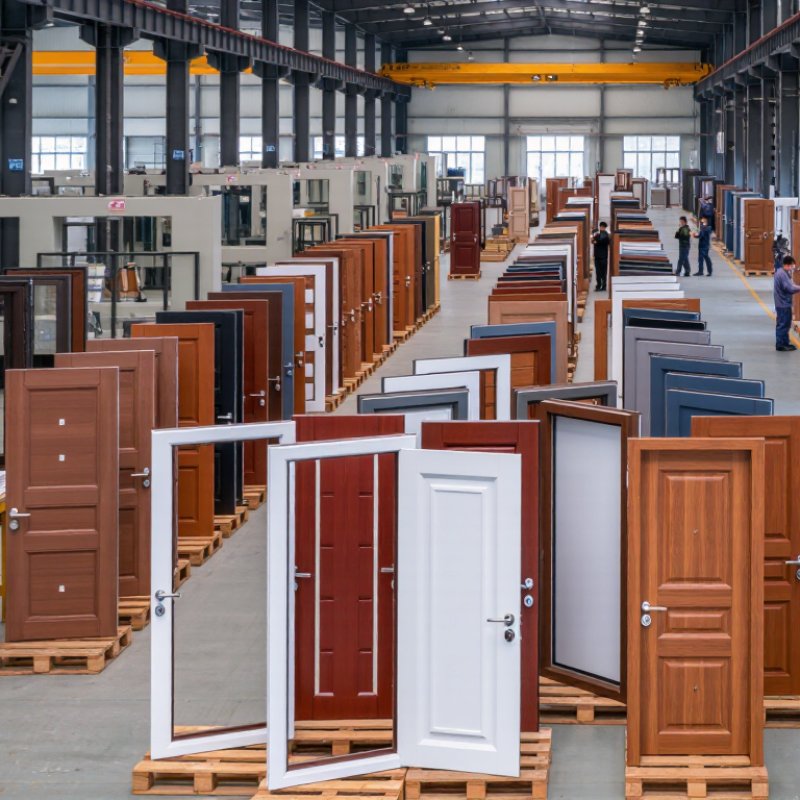
Define Your Door Requirements and Supplier Criteria
Before contacting a Chinese door supplier, define the product precisely. Record the opening size, door type, material, core, surface finish, hardware, swing direction, and packaging needs. Include fire, acoustic, thermal, and moisture requirements where relevant. A vague request creates vague quotations.
Grand View Research estimated the global doors market at about USD 98.9 billion in 2023, with continued growth expected through 2030. This expanding market attracts capable factories and inconsistent traders. Therefore, supplier selection needs evidence, not attractive photographs. Request factory registration details, production capacity, export experience, quality procedures, and recent test reports. Check whether reports match your exact door model. ISO 9001 certification can support process control, but it does not guarantee product performance. I once treated a low quote as efficiency. It was a costly assumption. Compare material thickness, hardware grade, packaging, lead time, minimum order quantity, payment terms, and warranty conditions line by line.
Tip:
Build a weighted supplier scorecard. Give technical compliance the highest score, followed by sample quality, communication, delivery reliability, and price. Ask for a pre-production sample with your actual dimensions and finish. Measure it yourself. Photograph vulnerable corners and frame joints. Confirm inspection standards before production starts. The International Trade Centre’s trade data tools can help compare China’s door-related export activity with competing supply markets, but trade volume alone cannot prove factory quality. A smaller supplier may offer better attention, yet limited capacity can create delays during peak seasons. Plan for that risk.
Verify Supplier Qualifications, Factory Capacity, and Product Quality
When selecting a door supplier in China, verify qualifications before discussing prices.
Ask for the business license, export history, and relevant quality certificates. Check that the legal entity matches the quotation and bank details. A polished showroom proves little. Request recent project references and contact them independently. During a factory visit, inspect welding areas, assembly lines, storage conditions, and safety procedures. Photos can help, but they cannot replace direct evidence.
Factory capacity must match your order, not merely the supplier’s promises.
Review monthly output, equipment lists, staffing, and production schedules. Ask how peak-season orders are handled. A small trial order can reveal the truth. Measure lead times, packaging quality, communication speed, and responses to defects. I would also compare stated capacity with raw-material deliveries and loading records. This check may feel excessive, yet delays usually cost more than an audit.
Product quality needs measurable controls.
Request material specifications, dimensional tolerances, surface-finish standards, and inspection procedures. For doors, check frame alignment, hinge strength, sealing performance, hardware operation, and color consistency. Approve a sealed sample before mass production. Use independent pre-shipment inspection when the order is important. Keep inspection photos and batch numbers for traceability. No process is perfect. Even a qualified supplier may miss a defect, so require corrective-action records and clear replacement terms. Trust should grow from repeatable evidence, not confident conversation.