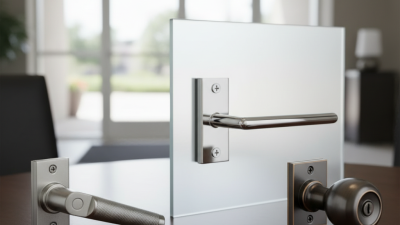
For global buyers, house doors are more than attractive entrances. They influence security, energy use, comfort, and the first impression of a property. A well-designed door can reduce drafts during winter, limit heat gain in hot climates, and support quieter indoor spaces. Yet these benefits depend on accurate measurements, suitable materials, and professional installation. A beautiful door may perform poorly if its frame does not match the wall opening.
Climate should guide every purchasing decision. Coastal buyers may need corrosion-resistant hardware, while customers in humid regions should examine moisture protection and wood treatment. In colder markets, insulated cores and reliable weather seals deserve close attention. Glazing also matters. Double or laminated glass can improve comfort, but its performance depends on construction quality and installation details. Small choices matter.
Global buyers should also check opening direction, threshold height, accessibility, fire-performance information, warranty terms, and replacement-part availability. Product specifications must be clear, consistent, and supported by testing or recognized certification where applicable. Local building requirements can differ, so buyers should confirm details with qualified architects, contractors, or suppliers before ordering. This step is easy to overlook. It can prevent expensive changes later.
From practical experience, international projects rarely fail because of one dramatic mistake. They usually suffer from unclear dimensions, unsuitable finishes, or missed delivery details. Online images cannot show every texture or hardware mechanism. Samples, technical drawings, and written confirmations provide stronger evidence. No door fits every market perfectly. Buyers must balance design, durability, maintenance, and budget instead of chasing the lowest price. A careful comparison may take longer, but it creates a safer and more dependable entrance.

Why Are House Doors Important for Global Buyers?
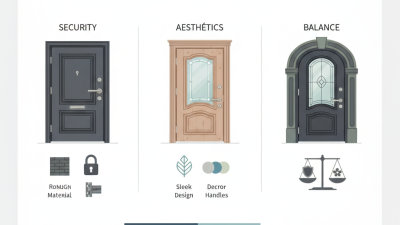
House doors do more than welcome visitors. They form the first barrier between a home and the outside world. A well-fitted door can discourage forced entry, reduce drafts, and limit unwanted noise. Solid construction matters, but installation matters just as much. Even a strong door may perform poorly when its frame is weak or poorly aligned. In my experience, small gaps around the edges often reveal bigger security problems. Privacy also depends on design. Opaque panels, secure glazing, and a clear viewing area help residents control who can see inside. These details are especially valuable for homes facing busy streets or shared walkways.
Tips: Check the door frame, hinges, lock quality, and weather seals together. Ask whether the design suits your local climate and building requirements. Test the latch gently. It should close without force. Avoid choosing a door only for its appearance. That mistake is easy to make. Consider how much daylight, sound, and visibility you actually want. Electronic access can be convenient, but it may create maintenance and data concerns. A simple mechanical backup remains sensible.
Global buyers should request clear specifications, installation guidance, and service information before purchase. Materials react differently to humidity, heat, cold, and coastal air. A door suitable for one region may need adjustments elsewhere. Professional inspection is useful, although it cannot replace careful daily checks. Look for swelling, loose hardware, damaged seals, or a lock that feels different. Small changes deserve attention.
| Door Configuration | Typical Main Material | Security Contribution | Privacy Contribution | Weather and Climate Considerations | Best-Fit Application | Overall Security Potential |
|---|---|---|---|---|---|---|
| Solid-core entrance door | Timber, engineered wood, steel, or composite construction | Provides a strong barrier when paired with a reinforced frame, quality hinges, and a multi-point or deadbolt locking system. | Very high visual privacy because the panel is opaque; also reduces sound transmission better than many hollow-core doors. | Requires suitable sealing and protection against moisture, heat, and ultraviolet exposure. Material movement should be considered in humid or very dry climates. | Main entrances and street-facing doors where security and privacy are primary concerns. | |
| Steel security door | Galvanized or coated steel with a solid or insulated core | High resistance to forced impact when the frame, hinges, lock, and wall fixing are designed as one system. | High privacy with an opaque panel; decorative perforations or vision panels can reduce privacy. | Protective coatings are important in coastal or high-humidity locations to limit corrosion. Thermal breaks may improve comfort in hot or cold climates. | Urban homes, apartments, exposed entrances, and locations with higher burglary concerns. | |
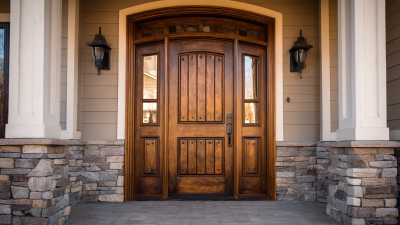
| Solid timber entrance door | Hardwood or engineered timber | Can offer strong security with a reinforced frame, long screws, hinge protection, and a properly installed lock. | High visual privacy when solid; provides a warm appearance and moderate sound reduction. | Needs correct sealing, finishing, and periodic maintenance. Humidity changes can cause swelling or shrinkage if the door is poorly protected. | Detached homes and traditional or design-focused properties. | |
| Glazed entrance door | Timber, steel, aluminium, or composite frame with safety glazing | Security depends on laminated or appropriately rated safety glass, secure glazing beads, a robust frame, and a reliable lockset. | Ranges from low to high. Clear glass offers little privacy; frosted, textured, or screened glass provides more privacy. | Insulating glass and effective weather seals can improve energy performance. Glass selection should reflect local wind, impact, and solar conditions. | Entrances where daylight and visibility are desired without sacrificing controlled access. | |
| Sliding patio door | Aluminium, uPVC, timber, or composite frame with glass panels | Security is improved by anti-lift devices, a quality lock, a fixed panel secured to the frame, and laminated or safety glazing. Basic latches alone provide limited protection. | Clear glass has low privacy; blinds, curtains, tinted glass, or privacy film can improve it. | Track drainage, perimeter seals, corrosion resistance, and resistance to wind-driven rain are important. Large glass areas may increase solar heat gain. | Rear gardens, balconies, terraces, and large openings connecting indoor and outdoor spaces. | |
| French or double-leaf exterior door | Timber, steel, aluminium, or composite materials | Requires secure coordination between the active leaf, inactive leaf, flush bolts, hinges, frame, and lock. The meeting point between leaves needs particular attention. | Opaque panels provide high privacy; glazing can be added with an appropriate privacy treatment. | Weather performance depends on the meeting stile, threshold, seals, and accurate alignment of both leaves. | Wide entrances, formal rooms, terraces, and homes requiring a larger clear opening. | |
| Mesh or security screen door | Steel or aluminium frame with metal mesh or bars | Can provide ventilation while adding a physical security layer, especially when anchored to a strong outer frame and fitted with a protected lock. | Usually low to medium because occupants may remain visible from outside. Privacy mesh can improve screening. | Useful in warm climates, but the mesh and fasteners should be corrosion-resistant in coastal areas. It does not replace a secure primary door. | Warm regions where airflow, insect control, and an additional security layer are needed. | |
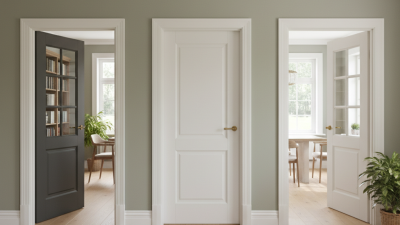
| Interior bedroom or bathroom door | Hollow-core or solid-core timber-based construction | Normally provides limited protection against forced entry because it is not designed as an exterior security barrier. | Solid-core construction generally gives better sound and visual privacy than hollow-core construction. A privacy latch is not the same as a security lock. | Interior doors are not normally designed for direct exposure to rain, wind, or ultraviolet radiation. | Bedrooms, bathrooms, offices, and internal rooms where personal privacy is the main objective. | |
| Fire-rated door assembly | Fire-rated timber, steel, or composite door with compatible frame, seals, and hardware | Designed to help resist the spread of fire and smoke for a specified period when the complete tested assembly is installed correctly. | Usually opaque, offering high visual privacy. Acoustic privacy varies according to the construction and sealing. | Performance depends on certified components, correct installation, and maintaining the required seals and self-closing hardware. | Garages, utility areas, apartment corridors, plant rooms, and locations required by local building regulations. |