
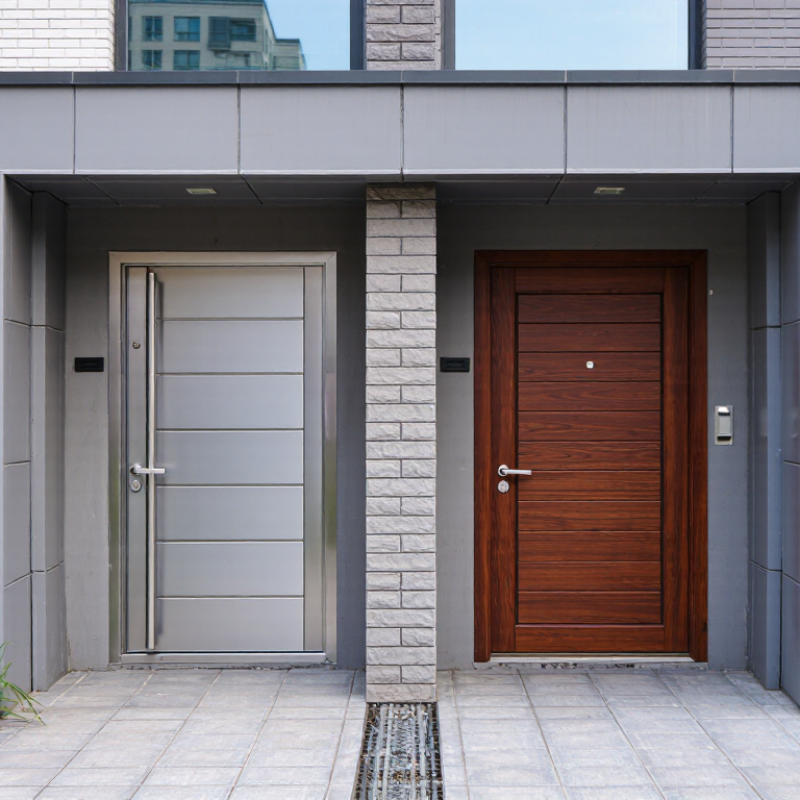
What Are the Best Exterior Doors Made in China?

Choosing the best exterior doors made in China requires more than comparing finishes, prices, or catalogue photographs. Performance depends on materials, weather exposure, hardware, installation, and verified testing. A steel door may resist impact well, while fiberglass can offer better moisture stability. Solid wood creates warmth, but it demands careful sealing in humid climates.

Industry reports provide useful context, but they need cautious reading. Grand View Research and Fortune Business Insights identify energy efficiency, residential renovation, and urban construction as major door-market drivers. Their market estimates differ because each report uses different categories and regional assumptions. That difference matters. A global sales forecast does not prove that one factory makes the best exterior doors.

Building-science expert Joseph Lstiburek has repeatedly stressed, “Water is the enemy.” His warning is practical. Look for documented air leakage, water penetration, thermal performance, coating durability, and threshold design. The U.S. Department of Energy’s Building America guidance also highlights drainage, flashing, and air sealing around openings. These details often determine whether a door performs well after several rainy winters.

This guide will examine Chinese manufacturers through a more demanding lens. It will consider factory experience, certification records, customization ability, replacement support, and export history. Supplier claims still require verification. A polished showroom can hide weak installation instructions. An inexpensive quotation can become expensive after damaged shipments or missing hardware.

There is no universal winner. The right choice depends on climate, building type, budget, and compliance requirements. Even this approach has limits, especially when test reports are incomplete or independently unverifiable. Still, careful comparison can turn a crowded supplier market into a manageable buying decision.

What Are the Best Exterior Doors Made in China?

Types of Exterior Doors Manufactured in China

What Are the Best Exterior Doors Made in China?

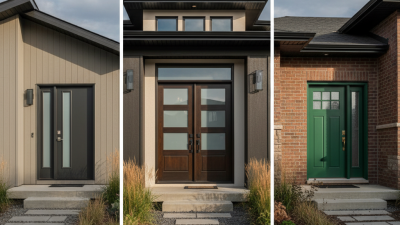
Exterior doors manufactured in China come in several practical types, each suited to different climates and building styles.

Steel doors offer strong security and stable performance around busy entrances. They can include galvanized cores and powder-coated surfaces for better corrosion resistance. However, poor coating preparation may still cause rust at cut edges.

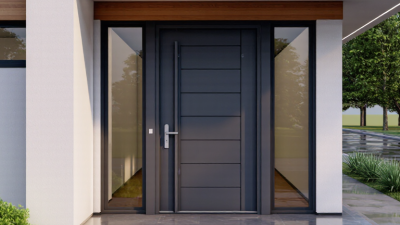
Aluminum doors are lightweight and useful for modern homes, especially with large glass panels. Thermal-break frames help reduce heat transfer between indoor and outdoor surfaces.

Fiberglass doors resist moisture, dents, and temperature changes. They often imitate wood grain without requiring frequent repainting.

Solid wood doors provide natural texture and warmth, but they need careful sealing in humid regions.

WPC doors are another option for areas exposed to rain, insects, and sunlight. Their appearance can be convincing, though some finishes may feel less authentic up close.

Tips:

Check the door core, frame thickness, drainage design, hinge quality, and weather seals. Ask for test reports covering air leakage, water resistance, wind pressure, and thermal performance. Confirm whether measurements follow recognized standards. Inspect a physical sample when possible. Photos can hide uneven gaps. Also review packaging, because corner damage often begins during transport. My practical view is simple: the best door is not always the heaviest one. It should match the local weather, opening size, maintenance plan, and installation skill. A promising specification can still fail when installation is rushed.
Key Materials Used in Chinese Exterior Door Production

What Are the Best Exterior Doors Made in China?

Key Materials Used in Chinese Exterior Door Production

Chinese exterior doors commonly combine galvanized steel, aluminum, fiberglass, engineered wood, and insulated cores. Each material serves a different climate and security requirement. Galvanized steel resists impact and corrosion when its coating is properly applied. Aluminum is lighter and performs well in humid coastal areas. However, untreated aluminum can conduct heat quickly.

Fiberglass-reinforced plastic offers stable performance during temperature changes. It rarely swells like ordinary wood. Engineered wood provides a warmer appearance, but it needs sealed edges and dependable moisture protection. Inside many insulated doors, polyurethane or polyisocyanurate foam reduces heat transfer. Mineral wool is another option where fire resistance matters. The best choice depends on testing, not appearance.

The International Energy Agency reported in Buildings 2023 that buildings consume about 30% of global final energy. Door insulation and air sealing therefore deserve serious attention. Low-emissivity glass, warm-edge spacers, EPDM gaskets, and thermally broken frames can improve comfort near the entrance. A heavier door is not automatically better. Poor alignment can still cause drafts, water entry, and early hardware failure. Factory quality checks should include dimensional accuracy, coating thickness, gasket compression, and repeated opening tests. EN 14351-1 and ASTM-based testing can help buyers compare performance, although certification claims require verification. Some specifications look impressive on paper. Real installation conditions may expose weaknesses.

How to Evaluate Quality, Security, and Weather Resistance

What Are the Best Exterior Doors Made in China?

How to Evaluate Quality, Security, and Weather Resistance

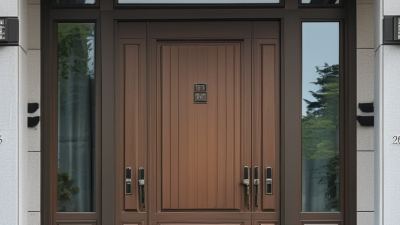
A reliable exterior door starts with accurate construction, not attractive photographs. Check the frame corners, welds, hinges, and surface finish closely. Uneven gaps may signal weak production control or poor installation preparation. On real building projects, a door can look excellent but still fail when its frame is slightly twisted. Fit matters.

Security depends on the whole door system. Examine the core material, lock body, cylinder protection, hinge reinforcement, and strike plate. A multi-point lock can help, but only when the frame and wall anchors are strong enough. Ask for test reports from recognized laboratories, not only factory claims. Security glass should also match the intended risk level. Bigger glass areas often reduce privacy and may require stronger laminated construction.

Weather resistance needs evidence from testing and practical details. Look for water penetration, air leakage, wind-load, and corrosion test results. Pay attention to drainage channels, compression seals, thermal breaks, and threshold design. In coastal areas, ordinary metal finishes may deteriorate faster than expected. In cold regions, weak insulation can create condensation around the frame. These details are easy to overlook. They should not be.

Request samples, installation drawings, warranty terms, and production photos before ordering. A small sample may hide hardware differences in full-size doors. That is an imperfect evaluation method, but it reveals more than a catalog alone. Confirm dimensions, opening direction, replacement parts, and inspection procedures in writing. Reliable suppliers welcome precise questions.

Leading Chinese Exterior Door Manufacturing Regions and Suppliers

China’s exterior-door supply base is regional, not uniform. Guangdong, especially Foshan and Guangzhou, specializes in aluminum doors, thermal-break systems, glass, and architectural customization. Zhejiang, including Yongkang, has deep experience with steel entry doors, stamping, coating, and hardware. Jiangsu and Shandong provide broad metal fabrication and efficient export logistics. Regional fit matters.

UN Comtrade data for 2023 places China among the leading exporters of wooden doors, with exports valued at roughly US$1.5 billion under HS 441820. This indicates industrial scale, not automatic quality. A capable supplier should provide traceable material certificates, production samples, and test results for air leakage, water resistance, wind pressure, and thermal performance. Ask for the complete door assembly, not only the panel.

The International Energy Agency reports that buildings consume about 30% of global final energy. Insulated frames and correctly sealed thresholds therefore deserve serious attention. For cold climates, verify the declared U-value and glazing specification. For coastal projects, request salt-spray testing and corrosion-resistant fasteners. Factory audits help, but they are imperfect. A supplier may pass an audit and still miss installation details. Request drawings, corner samples, packaging photos, and a pilot order before scaling. The cheapest quote is rarely the clearest choice. Product data can be incomplete, and buyers should question attractive claims.

Choosing the Best Chinese Exterior Door for Your Property

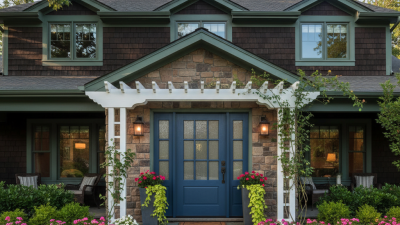
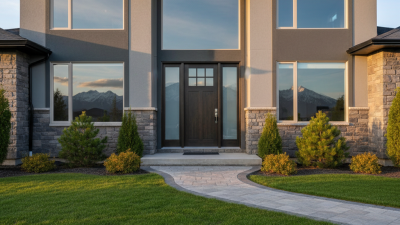
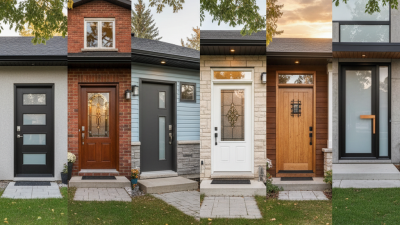
Choosing the best Chinese exterior door starts with your property, not the factory catalog. A coastal home needs corrosion-resistant hardware and sealed edges. A sunny entrance needs a finish that resists fading and heat. Steel doors provide strength, while aluminum offers lighter operation. Fiberglass can imitate wood without regular painting. Measure the opening carefully, including the wall thickness, threshold, and door swing.

In my experience, small details often decide long-term performance. Ask the manufacturer for material specifications, weather-resistance test results, and clear installation drawings. Check the frame corners, drainage paths, hinges, locks, and gasket compression on a physical sample. A beautiful sample can still fail if the threshold leaks or the hinges are undersized. I once underestimated delivery packaging, and a scratched frame created unnecessary repair work. That mistake still influences my inspection checklist.

Tips: Request a complete sample before placing a large order. Compare thermal performance, glass safety, hardware quality, warranty terms, and replacement-part availability. Confirm whether dimensions follow your local construction requirements. Ask for photos from inside the frame, not only polished showroom views. Do not choose by price alone. The cheapest door may require better installation, stronger sealing, or earlier maintenance. A reliable supplier should answer technical questions directly and record agreed specifications in writing. You may need to revise your first choice after reviewing the sample. That is normal.

Choosing the Best Chinese Exterior Door: Thermal Conductivity of Common Core Materials

Approximate thermal conductivity values at room temperature; lower values generally indicate better insulation performance.

Polyurethane and expanded polystyrene cores typically provide stronger thermal insulation than solid wood or mineral wool. When selecting an exterior door, also verify the complete door assembly’s U-factor, air leakage, weather resistance, hardware quality, and compliance with local building requirements.